
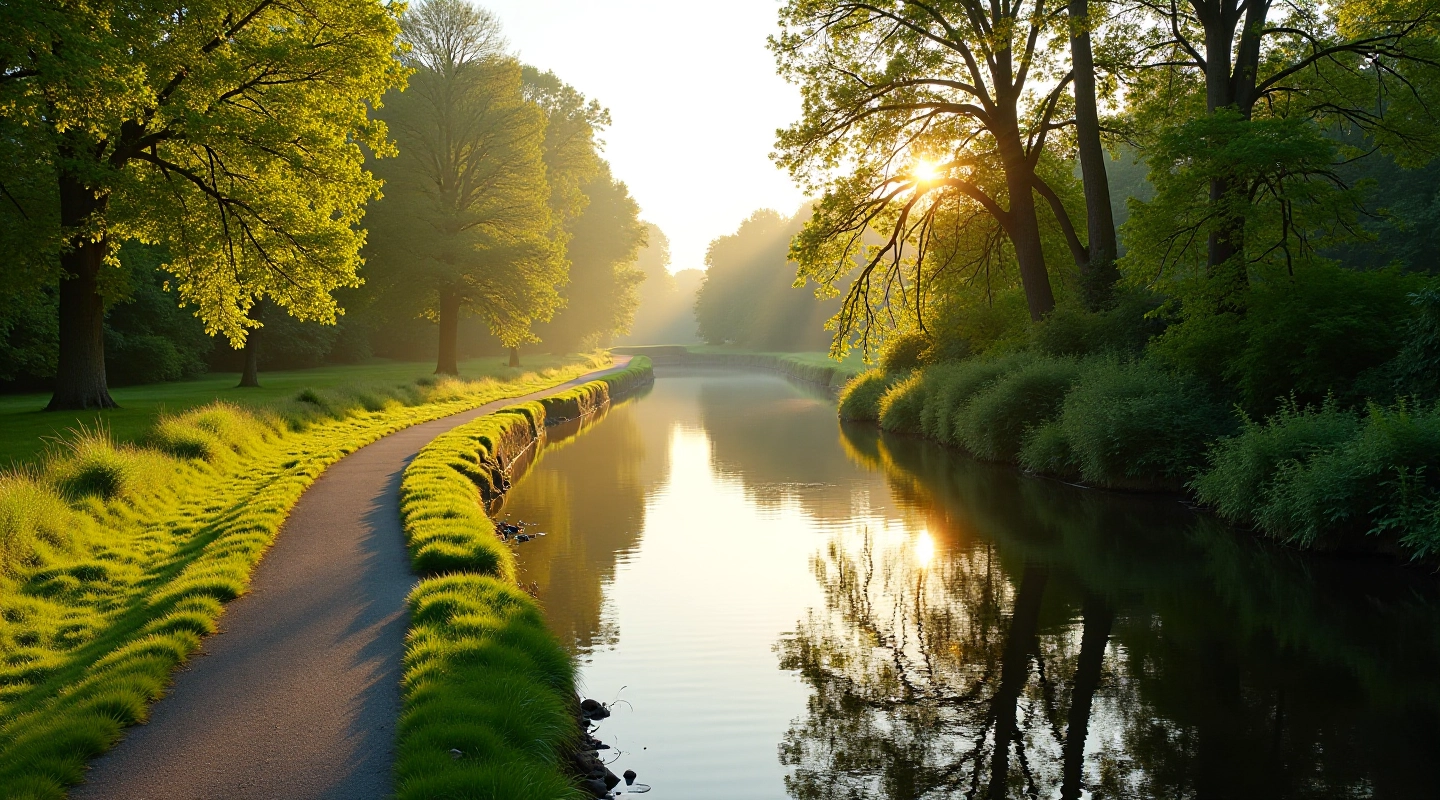
Shannon Towpath from Banagher to Athlone
A flat, easy 14-kilometre ride along the water. Perfect for building confidence on longer distances without worrying about hills.
Discover the back roads that locals use. This guide covers three connected loops you can mix and match. Very little traffic, plenty of character.

Editorial Team
Written by the boremorecivil Editorial Team, focused on honest, practical guidance for senior cyclists exploring Ireland's waterway routes.
You don't need big highways to have a great ride. The quieter routes through Offaly offer something special — real scenery, genuine peace, and roads where you're rarely battling traffic. These aren't hidden secrets exactly, but they're the paths that locals actually use when they're out for a casual spin.
We've mapped three loops that connect beautifully. You can ride each one separately, or link them together for a longer adventure. All three are manageable on a hybrid or road bike. And here's the thing — they're genuinely enjoyable. No white-knuckle climbs. No dodging articulated lorries. Just good cycling on proper roads with character.
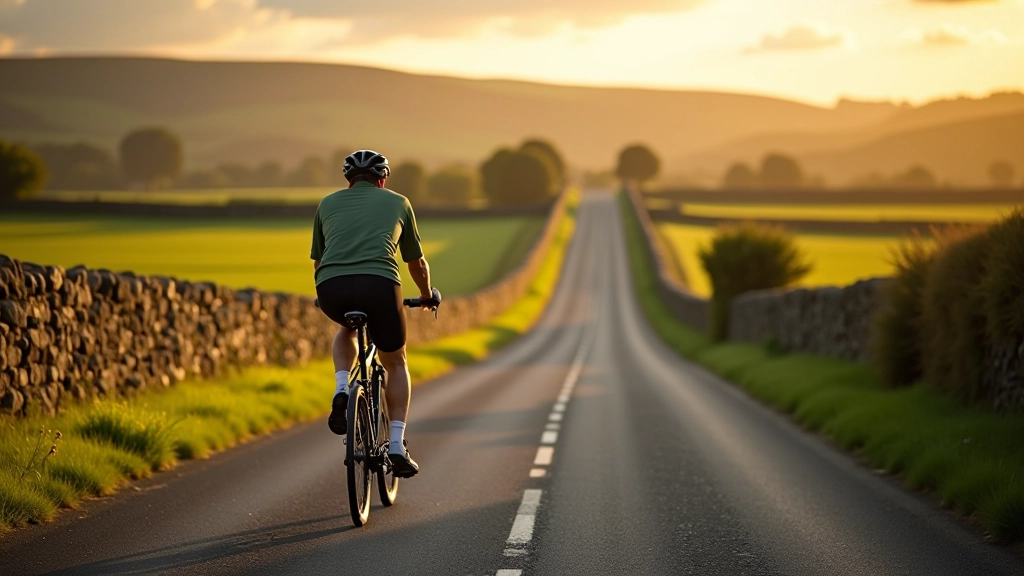
This loop's about 32 kilometres. It's gentle terrain with just enough variation to keep things interesting. You'll roll through small villages — places like Ferbane and Kilcormac — where you'll find proper pubs and tea shops if you need a break.
The roads here are honest country lanes. Not pristine, but well-maintained. You'll pass working farms, forestry sections, and these wonderful stretches where the trees create a canopy overhead. It's the kind of ride where you actually see wildlife — red squirrels, pheasants, that sort of thing. Traffic's light because there's no real destination pulling through traffic through these roads. Just people going about their day.
Distance: 32 km, easily broken into sections
Surface: Tarmac throughout, occasional patched sections
Rest stops: Ferbane village centre, small café near Kilcormac
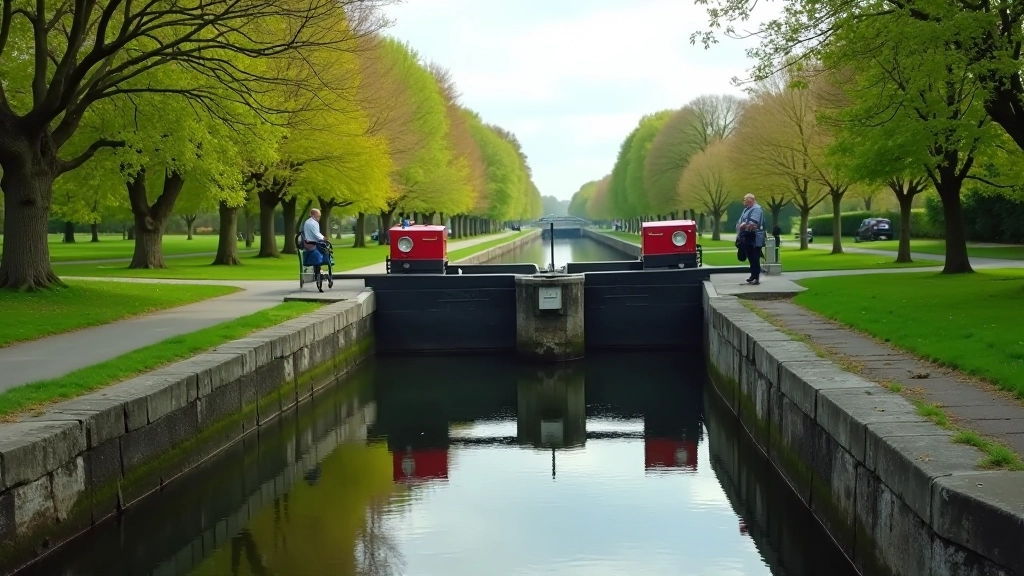
This isn't flat just for the sake of it — the canal route genuinely feels different. You're riding alongside water, which does something to your head. The pace slows down naturally. You notice things. Herons, narrowboats, the way light hits the water at different times of day.
Banagher's your starting point, and you can push out along the towpath for about 20 kilometres before heading back through quieter roads. The route's about 26 kilometres total. It's dead flat — genuinely no climbing. Your legs don't get hammered, which means you can actually enjoy the scenery instead of just grinding away.
Banagher itself is worth exploring. There's a proper small-town feel. Get a coffee, sit by the water for a bit, then head out when you're ready. The return route takes you through country roads that are barely used. You might see one car in an hour.
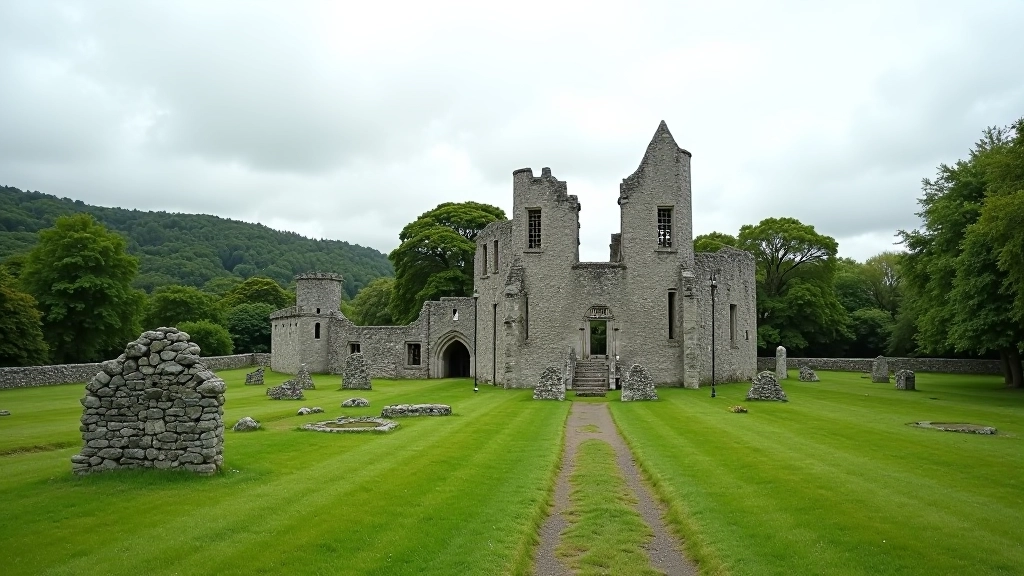
This one's special because you're riding to actual history. Clonmacnoise's ancient. The monastic site sits on the Shannon, and the approach roads wind through countryside that hasn't changed much in centuries. About 28 kilometres total, depending on exactly which roads you pick.
The character here is completely different from the other loops. You're climbing a bit more — nothing steep, but enough that you'll feel your legs working. The roads are narrower, more intimate. Stone walls, hedge-lined sections, sudden views down to the Shannon valley. There's a reason cyclists have been doing this route for decades.
Plan to spend time at Clonmacnoise itself. There's a visitor centre, the ruins to wander through, and proper quiet to just sit and breathe. Bring a packed lunch. The roads leading back take you through Athlone approaches, where you've got proper cafés if you need a top-up before the final section home.
Irish weather's changeable, so check forecasts. Spring and autumn are genuinely lovely — not too hot, not too cold. Summer works too, just busier on some roads. Avoid winter if you're not confident on wet roads.
A hybrid or road bike works fine. Gravel bikes are brilliant if you've got them. Tyres matter more than you'd think — anything that grips well on damp tarmac is worth the investment. Your brakes need to be reliable.
Bring water. You'll find cafés in villages, but they're not everywhere. Pack something to eat — a banana, some nuts, whatever keeps you going. It's genuinely the difference between enjoying yourself and hitting a wall.
Use a map or GPS app. These roads don't have huge signs at every junction. A simple route on your phone works. Take screenshots in case you lose signal — it happens out here.
Wear a helmet. These roads are quiet, but they're still roads. A high-vis vest makes sense, especially in low light. Keep lights if you're riding into dusk. Most people out here are local and predictable, but don't count on it.
Carry a puncture kit, pump, and basic multi-tool. You won't need them most of the time, but when you do, you'll be grateful. A spare inner tube saves hours of faffing about.
These routes aren't complicated. You don't need special training or expensive gear. What you do need is a decent bike you trust, a bit of time, and willingness to just roll out and see what happens.
Pick whichever loop speaks to you first. Do it in daylight. Bring company if that's more your style, or go solo if you prefer the peace. Stop when something catches your eye. Chat to people in villages. That's actually the whole point of these roads — they're built for people who want to move slowly enough to notice things.
Offaly's not famous for cycling tourism. That's precisely why it's worth visiting. You'll find genuine roads, proper countryside, and space to breathe. These quiet roads don't ask much of you. Just show up with an open head and you'll have a genuinely good day.
Choose activities that match your fitness level. Check local conditions and weather before travelling. Ensure your bike is roadworthy and brakes are reliable. Speak with your GP if you have health concerns before starting cycling. These routes cover public roads — follow traffic rules and be aware of other road users. Information is current as of 2026, but conditions can change.
A flat, easy 14-kilometre ride along the water. Perfect for building confidence on longer distances without worrying about hills.
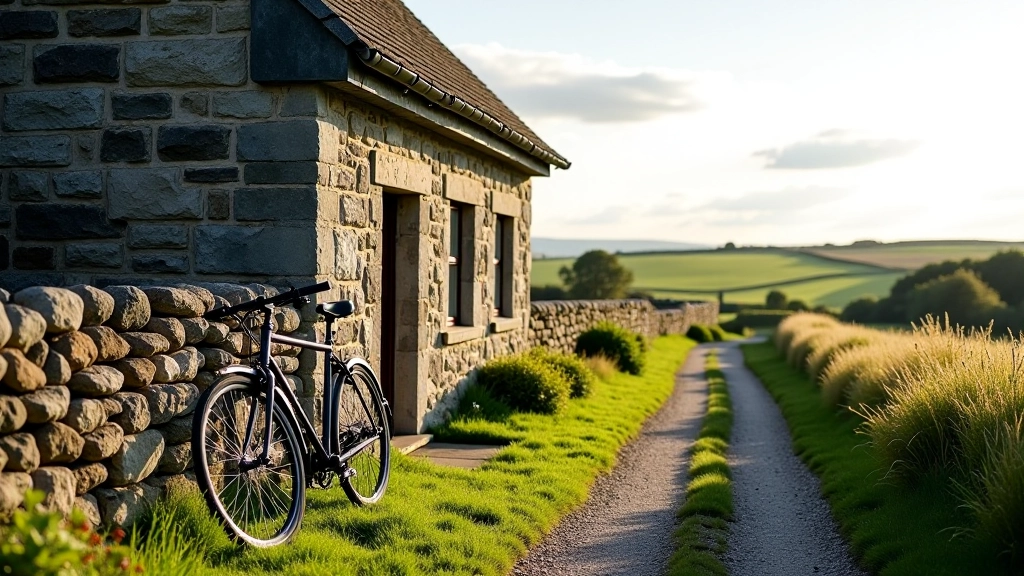
An 18-kilometre loop taking you past ancient monasteries and through quiet villages. History and cycling combined.
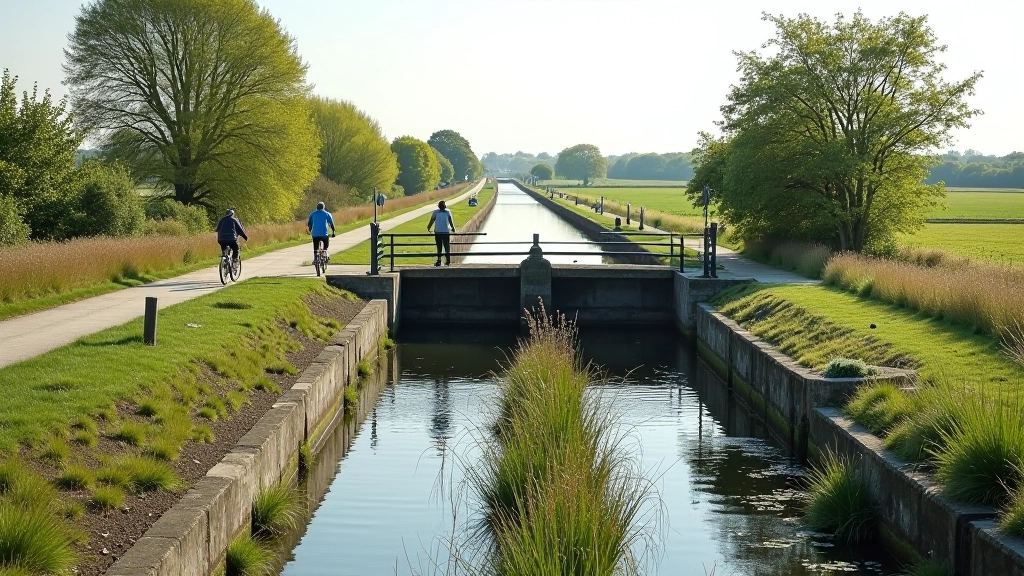
Follow the canal past historic lock systems. Twelve kilometres of flat terrain and waterside scenery.